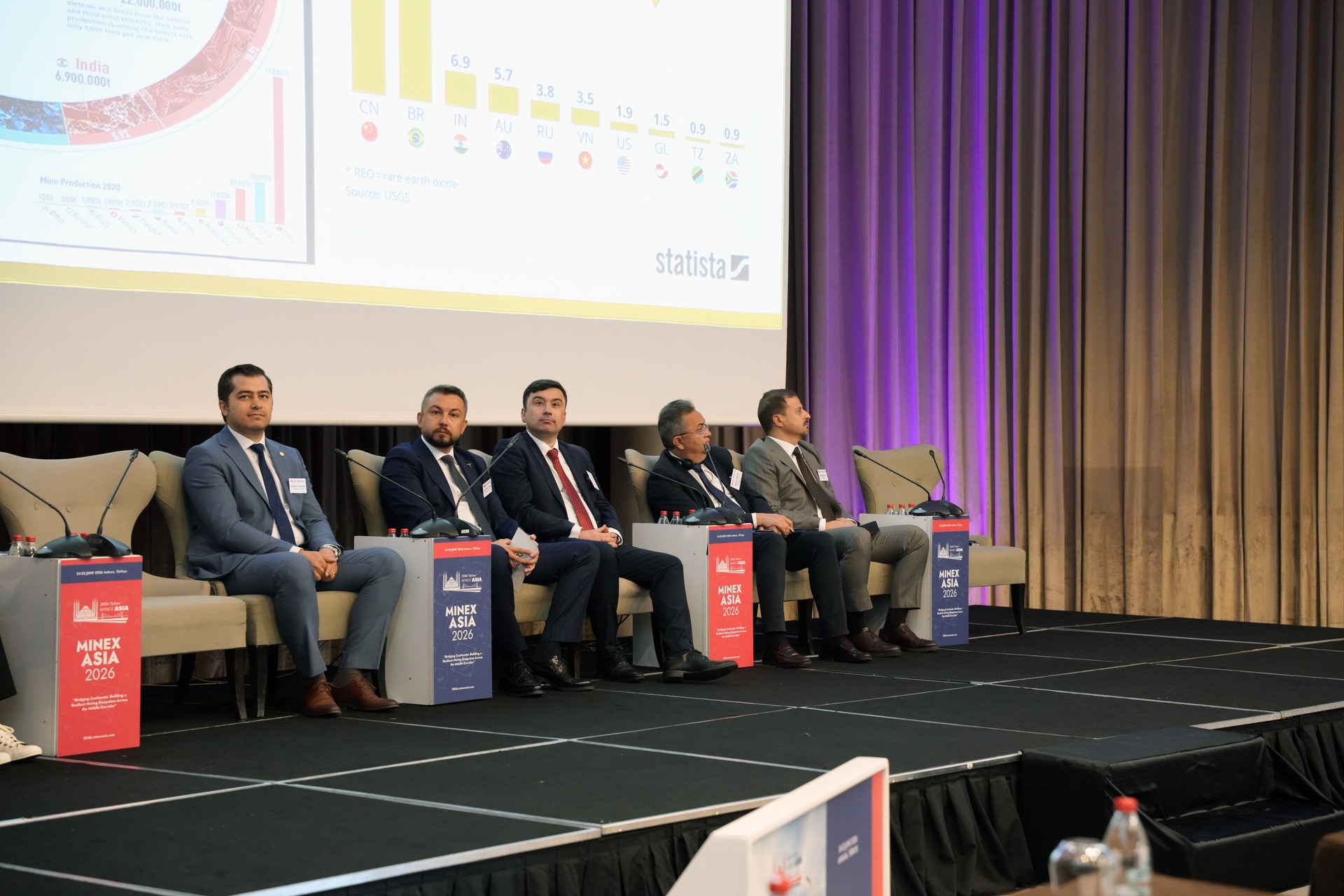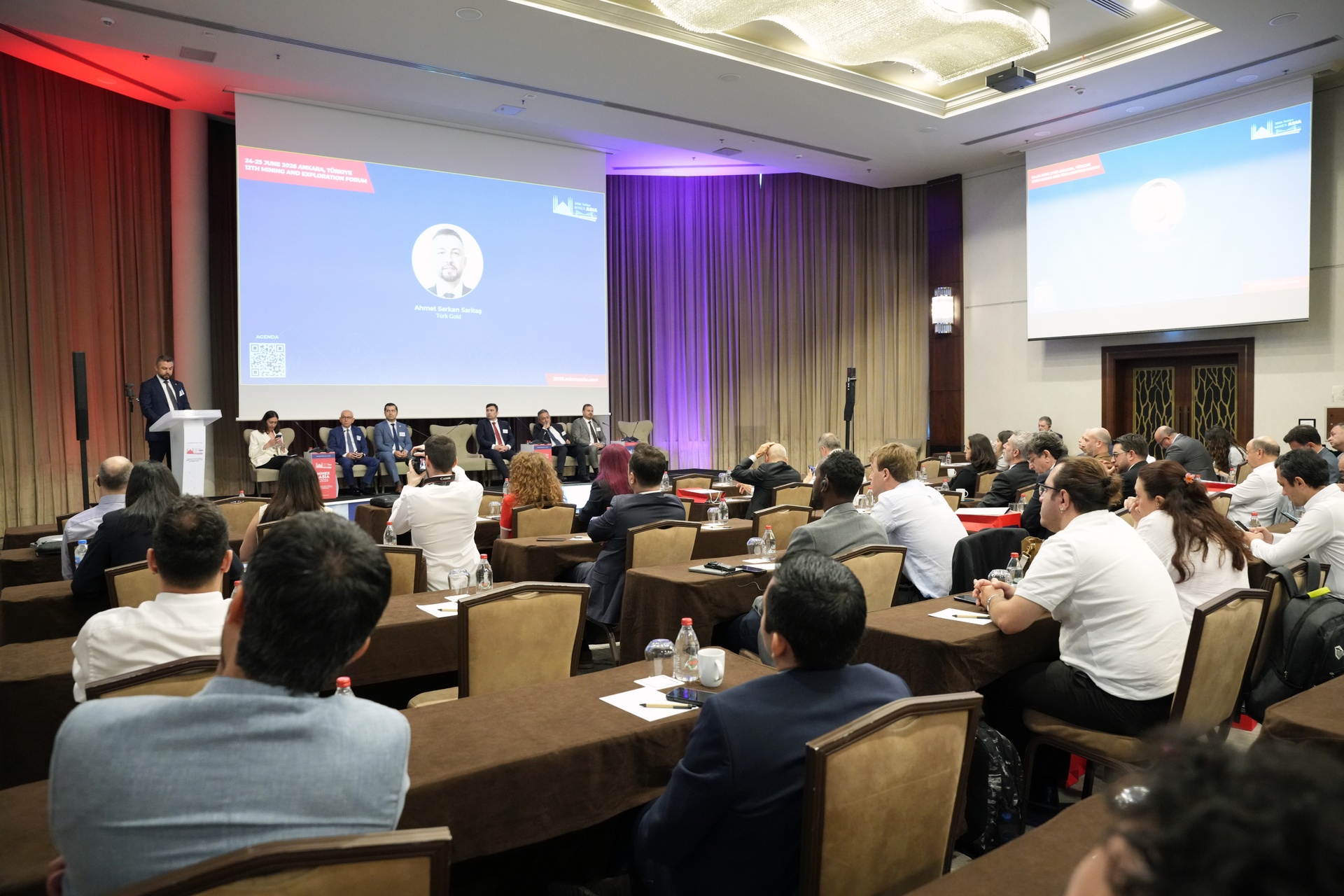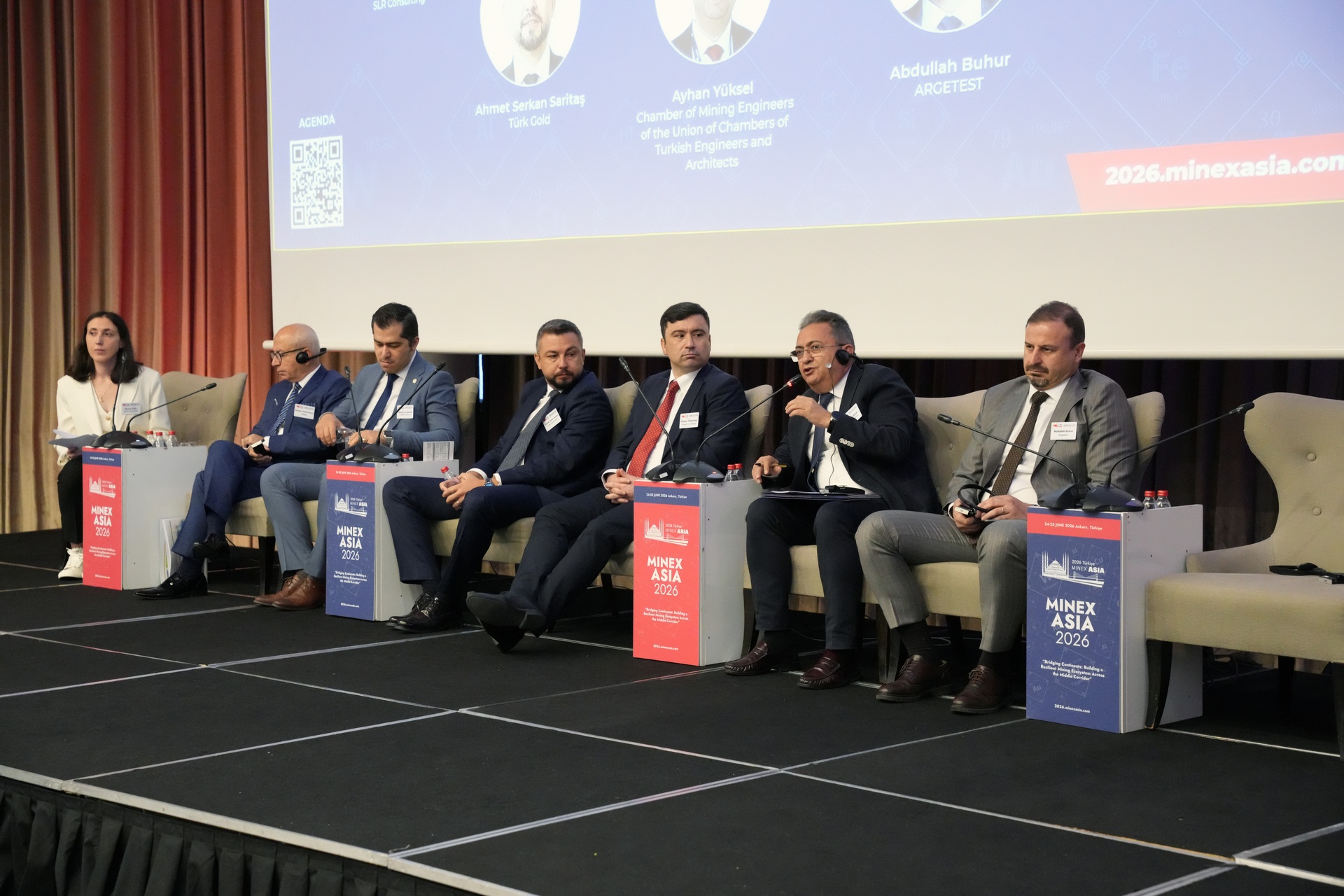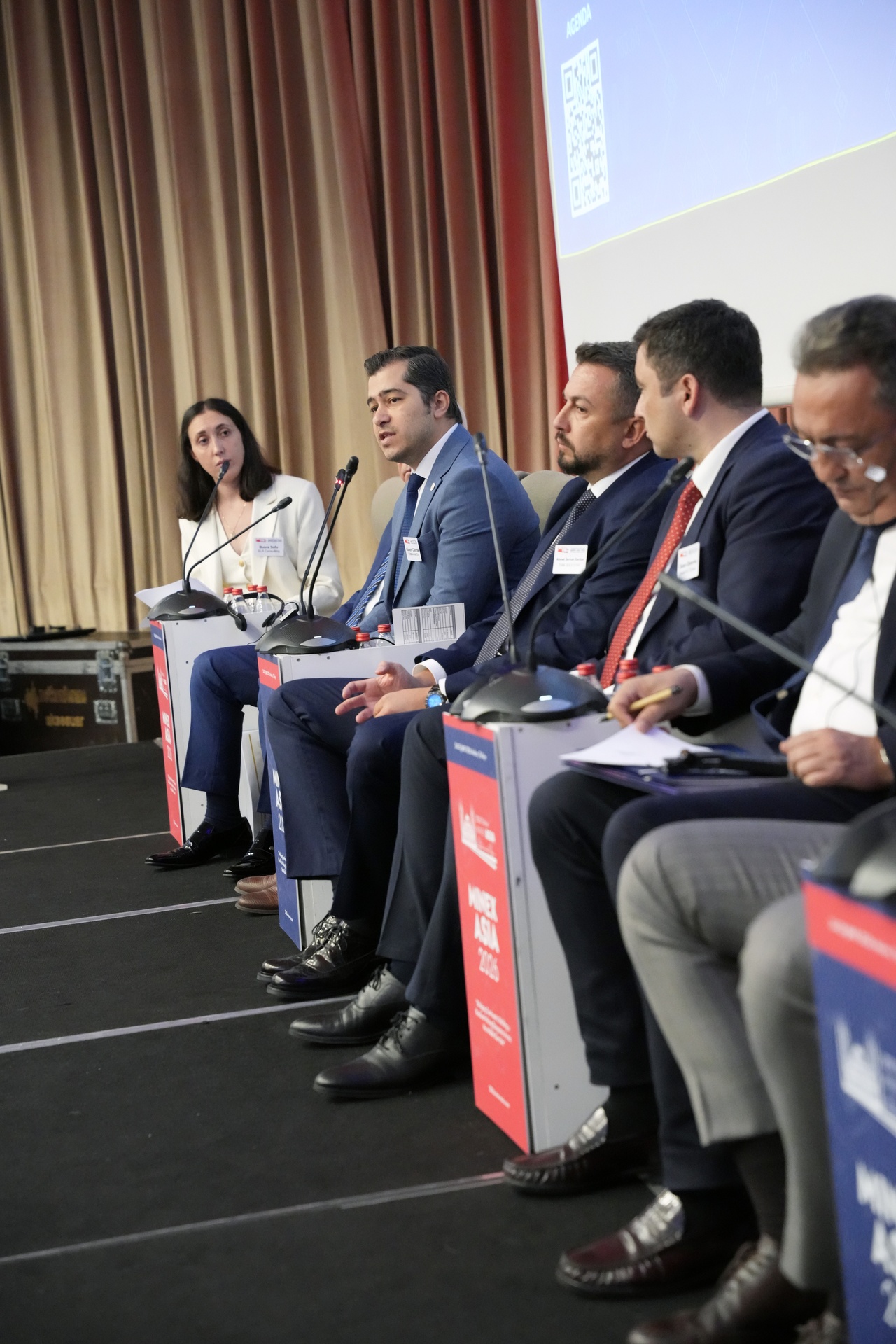
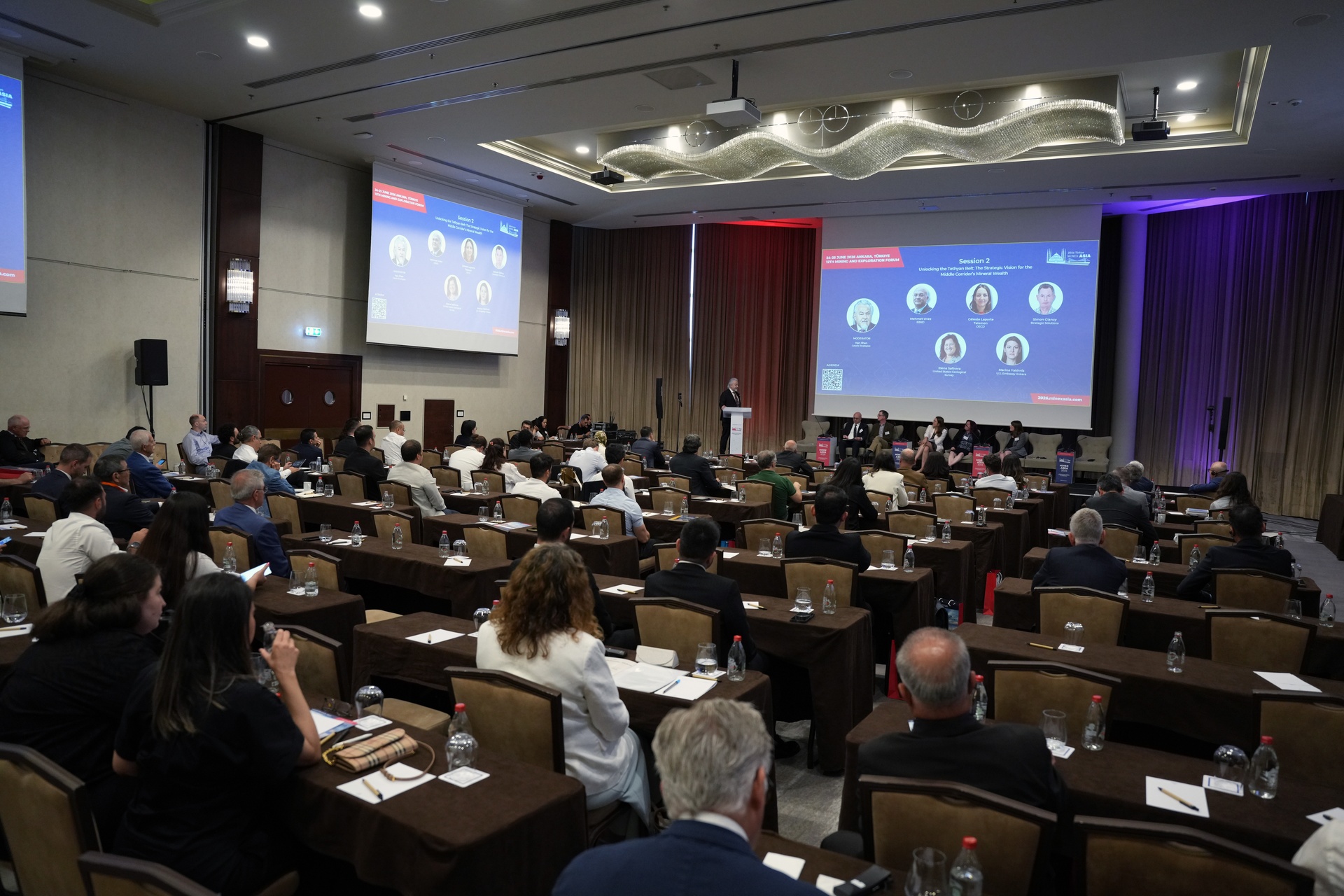
Post-Event Report

12th MINEX Asia Mining & Exploration Forum

Bridging Continents: Building a Resilient Critical Raw Materials Ecosystem Across the Middle Corridor

Download PDF Post-Event Report
Dates 24–25 June 2026
Venue Ankara HiltonSA, Türkiye
Organiser MINEX Forum
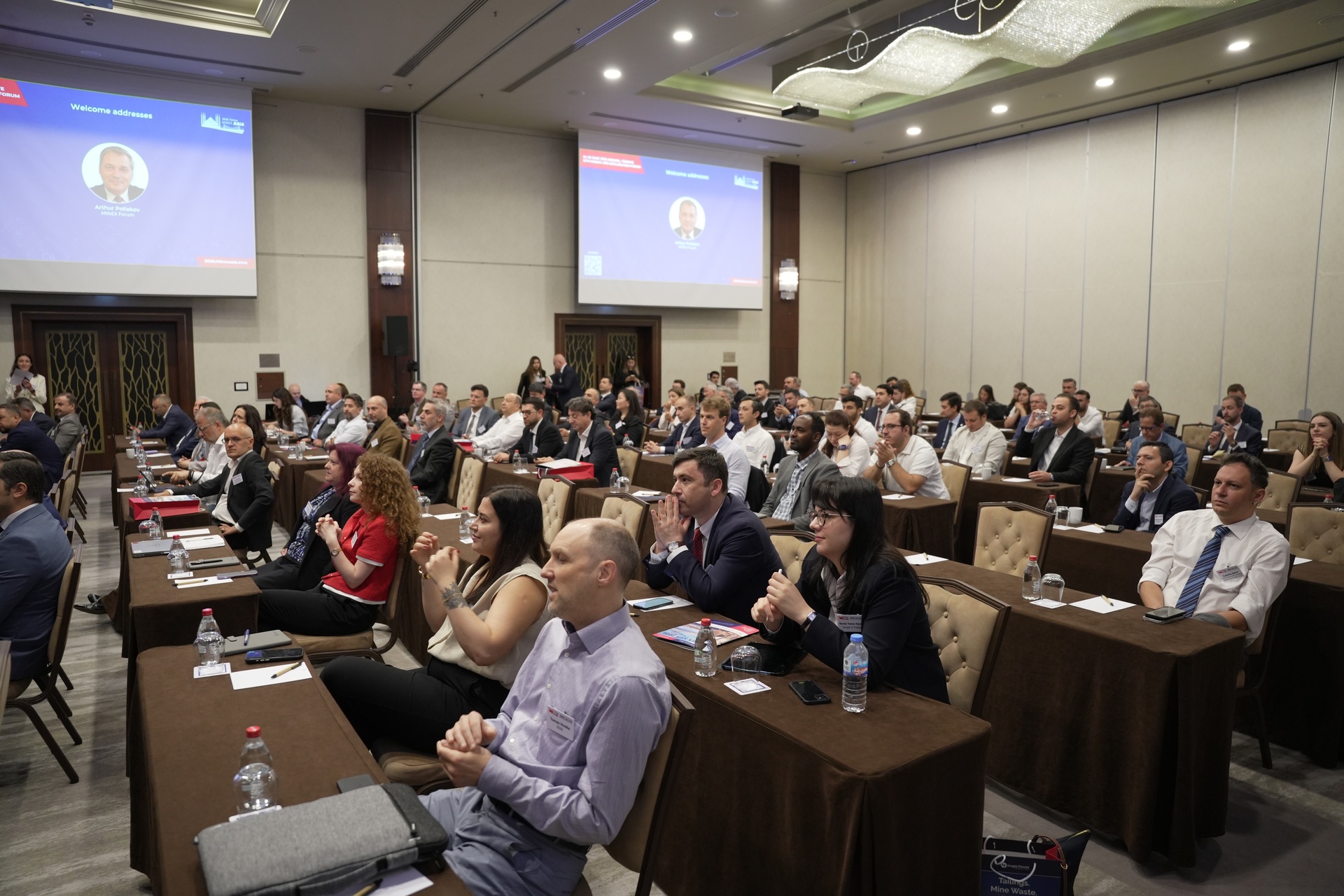
140+ Delegates
16 Countries
30+ Speakers Featured
9 Sessions

Executive Summary

Two Days, One Argument Execution Is Now the Question

The 12th MINEX Asia Forum brought together delegations from 16 countries in Ankara to confront a single, recurring theme: the strategic case for the Middle Corridor as a global critical minerals supply line is no longer being made — it is being assumed. What remains open is who finances, who processes, who certifies, and who builds the workforce to make that assumption real.

Over two days, more than 140 delegates — senior executives, government officials, multilateral development bank representatives, and technical specialists — worked through the full value chain: from the demand case for critical raw materials (CRM), through Türkiye’s rare earth element (REE) ambitions at Beylikova, to the financing architecture, ESG standards, tailings engineering, and midstream processing infrastructure required to move Central Asian and Caucasus minerals to Western markets.

Day 1 asked why geological wealth does not automatically translate into investment. Day 2 answered: because the supply chains — the processing capacity, the certification infrastructure, the trade finance instruments — do not yet exist at the scale or speed the energy transition demands. Both days converged on the same conclusion voiced by Türkiye’s General Directorate of Mining and Petroleum Affairs (MAPEG): the country’s positioning is shifting from reserve holder to industrial bridge between Central Asian ore and European demand.

A jurisdiction that ranked 104th in global mining investment attractiveness a decade ago now sits in the global top ten — not because its geology changed, but because its framework did.

What This Report Covers

This report summarises the two days of MINEX Asia 2026 sessions, names every speaker and panellist who shaped the conversation, presents delegate participation statistics across country, industry sector and seniority, and sets out where the discussion moves next as the MINEX Forum 2026 series turns to Ireland and the UK.

Day 1 · 24 June 2026

The Demand Case, Türkiye’s REE Ambition, and Who Is Funding the Future

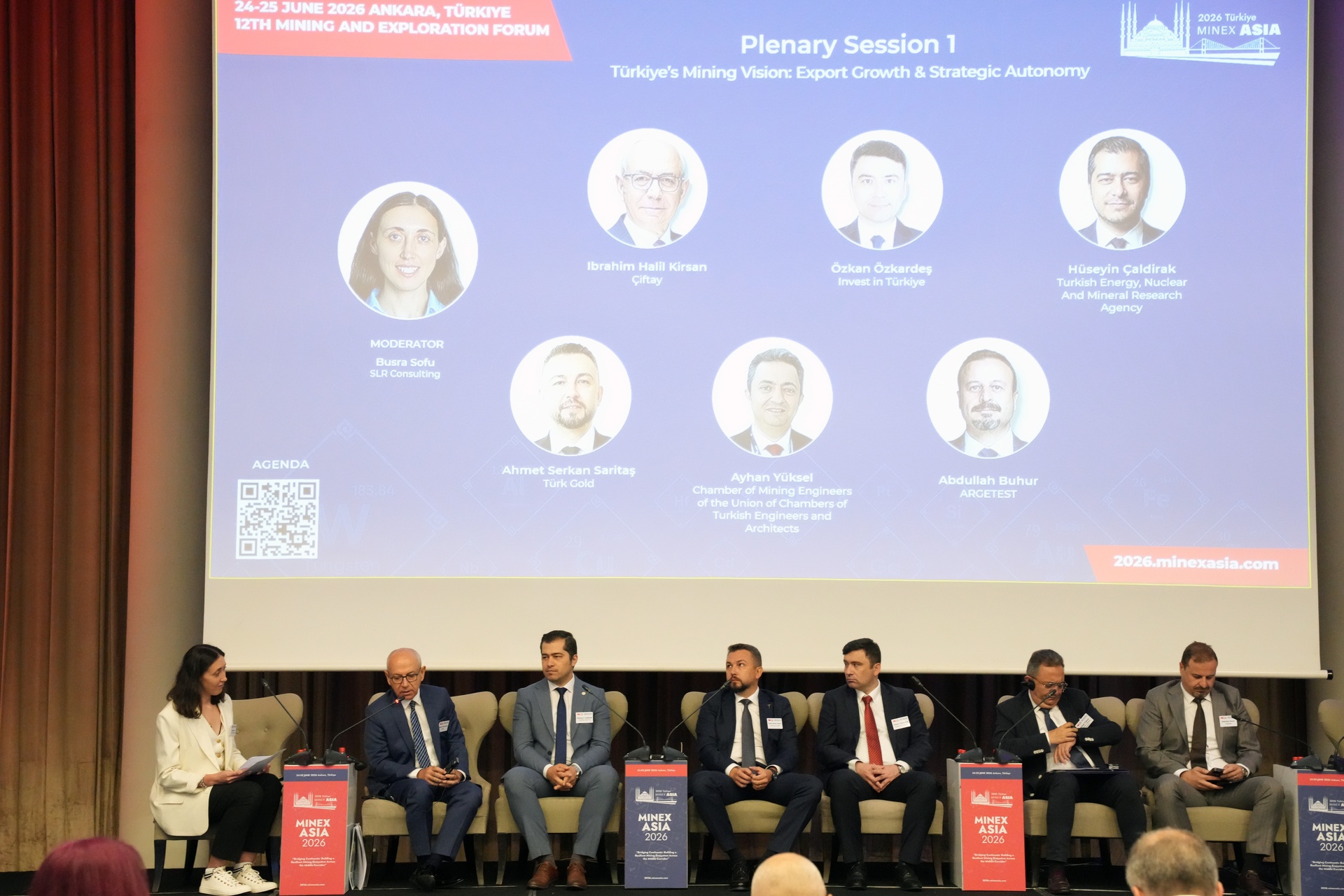
Day 1 opened with the global frame: by 2040, mineral utilisation in renewable energy will increase four-fold under the IEA’s Sustainable Development Scenario and six-fold under Net Zero, with lithium demand alone projected to surge 42-fold. İbrahim Halil Kırşan, Chairman of Mining Council at TOBB, opened with this global frame and did not soften it. Ozkan Ozkardes of the Investment and Finance Office of the Presidency made the investment case for Türkiye directly, and Ahmet Serkan Sarıtaş of Turk Gold Corp. brought an operator’s perspective to the country’s export ambitions. Ayhan Yüksel of the Chamber of Mining Engineers picked up the regulatory thread, tracing Türkiye’s mining legislation from the 1954 Mining Law through seven amendments to the 2025 revisions. Session 1 was moderated by Busra Sofu of SLR Consulting, who returned to chair Session 4 later in the day.

Renewable energy mineral utilisation
Mineral demand under Net Zero
42× Projected lithium demand
01

Türkiye’s REE ambition Beylikova: From Ambition to Technical Specificity

Dr Hüseyin Çaldırak of TENMAK’s Rare Earth Elements Research Institute presented the most forensically detailed case of the morning. Beylikova holds an estimated 694 million tonnes of resource at approximately 2% NTE grade — widely described as the world’s second-largest REE reserve after China’s Bayan Obo — with a planned facility targeting 570,000 tonnes of ore per year. At 10,000 tonnes of NTE annually, the deposit covers Türkiye’s entire projected domestic wind-turbine mineral requirement and still exports, against a backdrop where China controls roughly 70% of world NTE production and over 90% of processing and magnet manufacturing capacity.
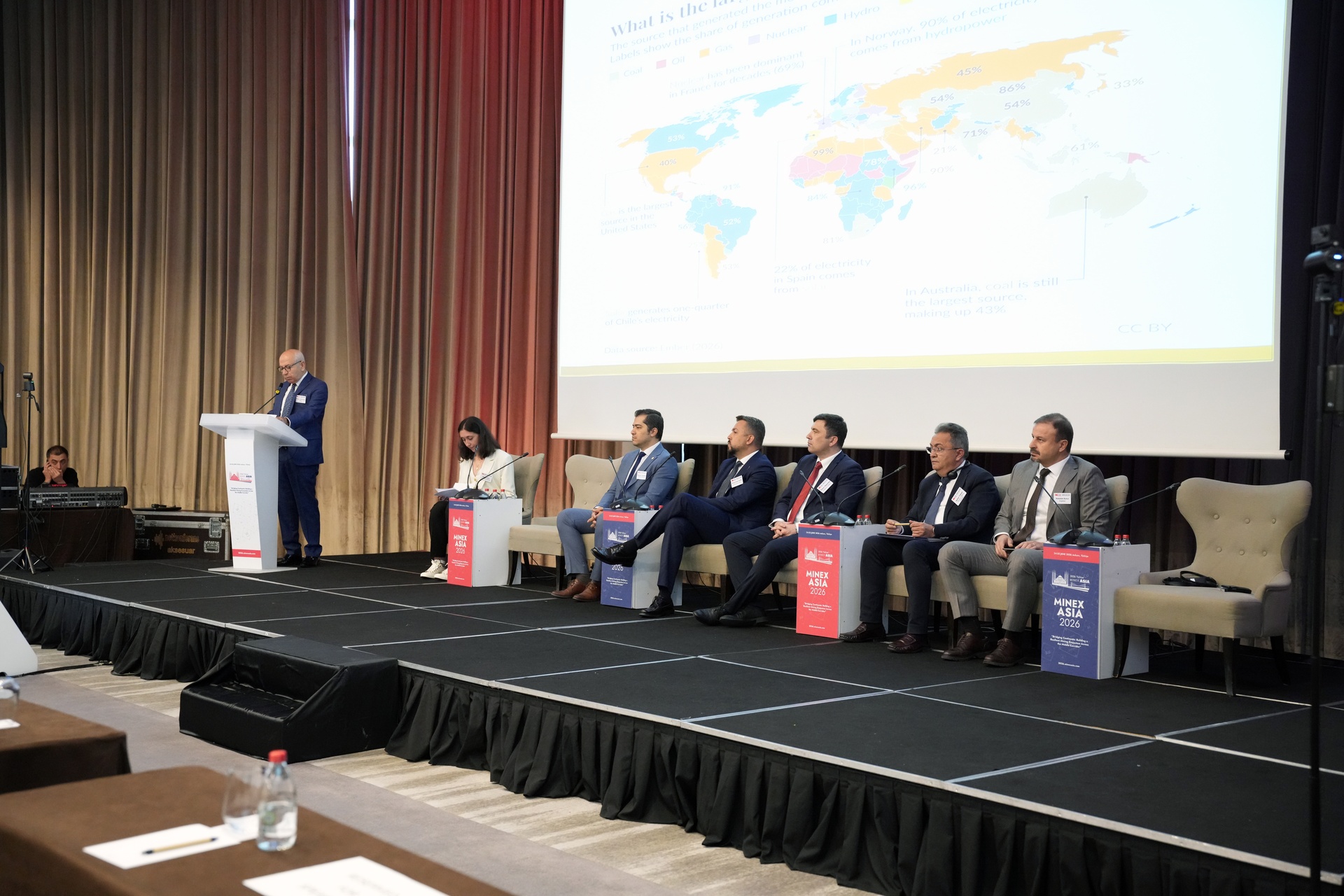
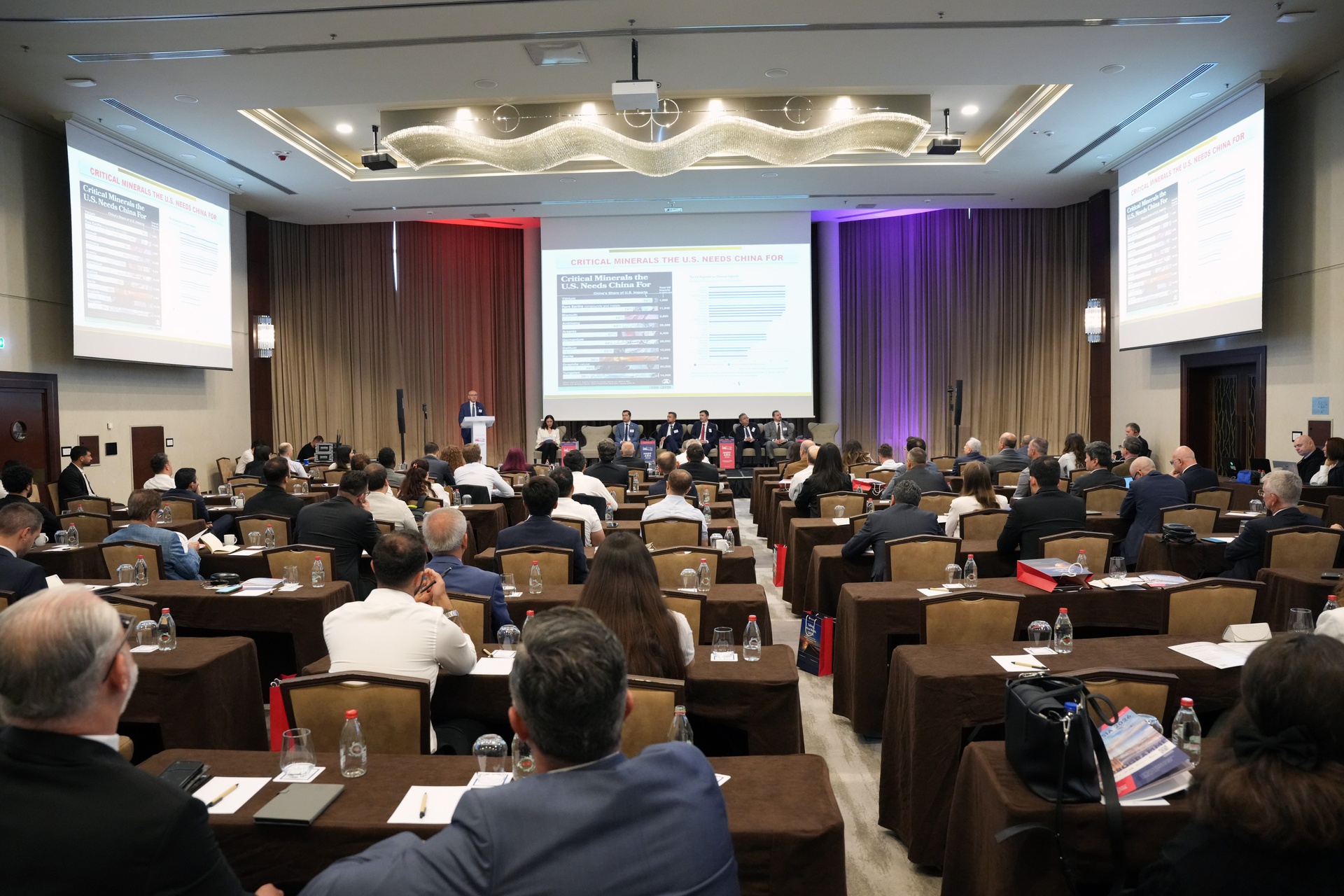
02

Project bankability The Invisible Foundation: Data, Laboratories and Bankability

Abdullah Buhur of ARGETEST made what might have seemed a narrower technical argument — but it ran directly to the financing panel that followed. In modern mining, he argued, you must extract the data from the ore before you extract the ore itself: reliable end-to-end geochemical and metallurgical data is what makes CRIRSCO, JORC and UMREK-compliant reporting possible, and compliant reporting is what makes a project financeable. ARGETEST, founded in Ankara in 2012, has already opened its first international laboratory in Tashkent, with three further countries in active planning.

03

Regional architecture The Tethyan Belt and the Investability Question

EBRD’s Deputy Head of Türkiye, Mehmet Uvez, reframed the Middle Corridor as a platform for trade resilience and industrial value chains rather than simply a transport route, citing €24.4 billion in cumulative EBRD investment in Türkiye and a record €2.7 billion across 54 projects in 2025 alone. Céleste Laporte Talamon of the OECD presented the institution’s latest work on critical raw materials policy frameworks across Central Asia. Simon Glancy of Strategic Solutions proposed a Central Asian CRM alliance built around processing hubs in Kazakhstan and Uzbekistan. Dr Elena Safirova of the USGS assessed the region’s mineral endowment, and Marina Yakhnis of the U.S. Embassy Ankara closed with an overview of U.S. critical minerals policy.

04

Development finance Financing: Institutions Present, Speed the Decisive Variable

The financing session, moderated by Han Ilhan of Catalis Strategies, opened with Scott Macpherson of Hogan Lovells International on protecting foreign investment from political risk. The panel brought together Philippe Bernard-Treille (EIB), Şebnem Alp (UK Export Finance), Çağrı Güven (KfW IPEX-Bank), Claire Alidenes (Asian Development Bank), Azamat Kasymbekov (EBRD), Guillermo Saniger Pare (IFC) and Stephanie Casey (BORG Capital Insights). Their conclusion was candid: the mandates and appetite exist, but speed, flexibility and first-loss willingness on frontier projects remain decisive.

05

Industry and talent The Turkish Industrial Offer and the Workforce Question

Sabri Karahan of DAMA Engineering traced four decades of Turkish mining advancement — from Atatürk’s 1935 founding of MTA and Etibank, through the arrival of global majors following the 1985 Mining Law, to the UMREK reporting code and modern integrated processing plants. Şahin Özdemir, Chairman of MITTO Consultancy, followed with a case study in mining, environmental and engineering advisory services. Devrim Aksu closed the day with the question cutting across every projection of regional growth: who will build the workforce behind the critical minerals boom?

Global talent shortages, scarce digital mining skills and the absence of remote-operations workforce models remain unresolved. Women also remain a structurally underutilised reserve in mining talent pipelines across the region.

Day 1

Key Takeaways

01

The demand case is irrefutable — a 42-fold lithium surge and 6-fold rise in total mineral use for renewables by 2040 under Net Zero frame every investment decision in the room.

02

Beylikova’s significance rests on arithmetic, not reserve size alone: Türkiye can cover domestic wind-energy mineral needs and become a net exporter to allies diversifying from China.

03

Accredited laboratory infrastructure is a prerequisite for bankability, and its regional arrival — including ARGETEST’s new Tashkent laboratory — is an enabling condition, not a detail.

04

Turkish companies have a specific, underexploited opportunity as providers of engineering, processing technology, laboratory services and advisory capacity across the Central Asian CRM ecosystem.

Day 1 · 24 June 2026

Speakers & Panellists Featured

24 Featured voices
01

İbrahim Halil Kırşan

Chairman of Mining Council, TOBB – Turkish Union of Chambers and Commodity Exchanges

02

Ozkan Ozkardes

Expert, Investment and Finance Office of the Presidency of the Republic of Türkiye

03

Ahmet Serkan Sarıtaş

Deputy General Manager, Turk Gold Corp.

04

Ayhan Yüksel

Chairman of the Board, Chamber of Mining Engineers

05

Abdullah Buhur

Deputy General Manager, ARGETEST Mineral Processing, R&D and Analysis Services

06

Dr Hüseyin Çaldırak

Group Manager & Senior Researcher, TENMAK Rare Earth Elements Research Institute

07

Busra Sofu

Senior Mining Engineer – Advisory, SLR Consulting

Moderator · Sessions 1 & 4
08

Mehmet Uvez

Deputy Head of Türkiye and Head of Ankara Office, EBRD

09

Céleste Laporte Talamon

Policy Analyst, Central Asia, OECD

10

Simon Glancy

Managing Partner, Strategic Solutions

11

Dr Elena Safirova

Economist and Country Specialist, United States Geological Survey

12

Marina Yakhnis

Economic Officer, U.S. Embassy Ankara

13

Han Ilhan

Co-Founder and Managing Director, Catalis Strategies

Moderator · Sessions 2, 3 & 9
14

Scott Macpherson

Counsel, Hogan Lovells International

15

Philippe Bernard-Treille

Head of EIB Representation to Türkiye, European Investment Bank

16

Şebnem Alp

Country Head Türkiye, Eastern Europe and Central Asia, UK Export Finance

17

Çağrı Güven

Vice President, KfW IPEX-Bank Türkiye Representative Office

18

Claire Alidenes

Principal Investment Specialist, Asian Development Bank

19

Azamat Kasymbekov

Principal Banker, Natural Resources, EBRD

20

Guillermo Saniger Pare

Investment Officer, International Finance Corporation

21

Stephanie Casey

Senior Consultant, BORG Capital Insights

22

Sabri Karahan

General Manager, DAMA Engineering

23

Şahin Özdemir

Chairman of the Board, MITTO Consultancy

24

Devrim Aksu

Independent HR & Organisational Transformation Advisor

Day 2 · 25 June 2026

Processing Capacity, Governance, and the Infrastructure Gap

The central question

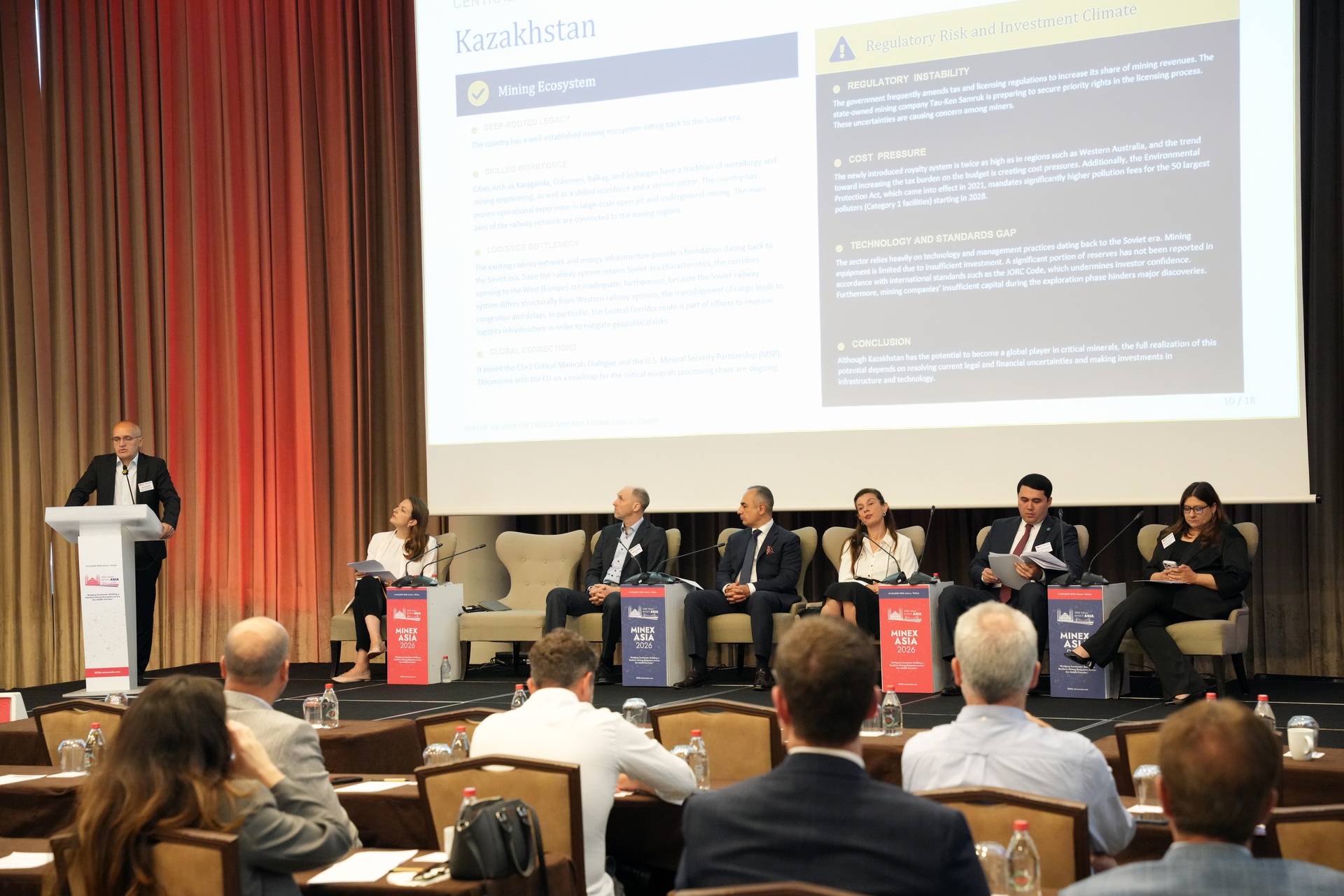
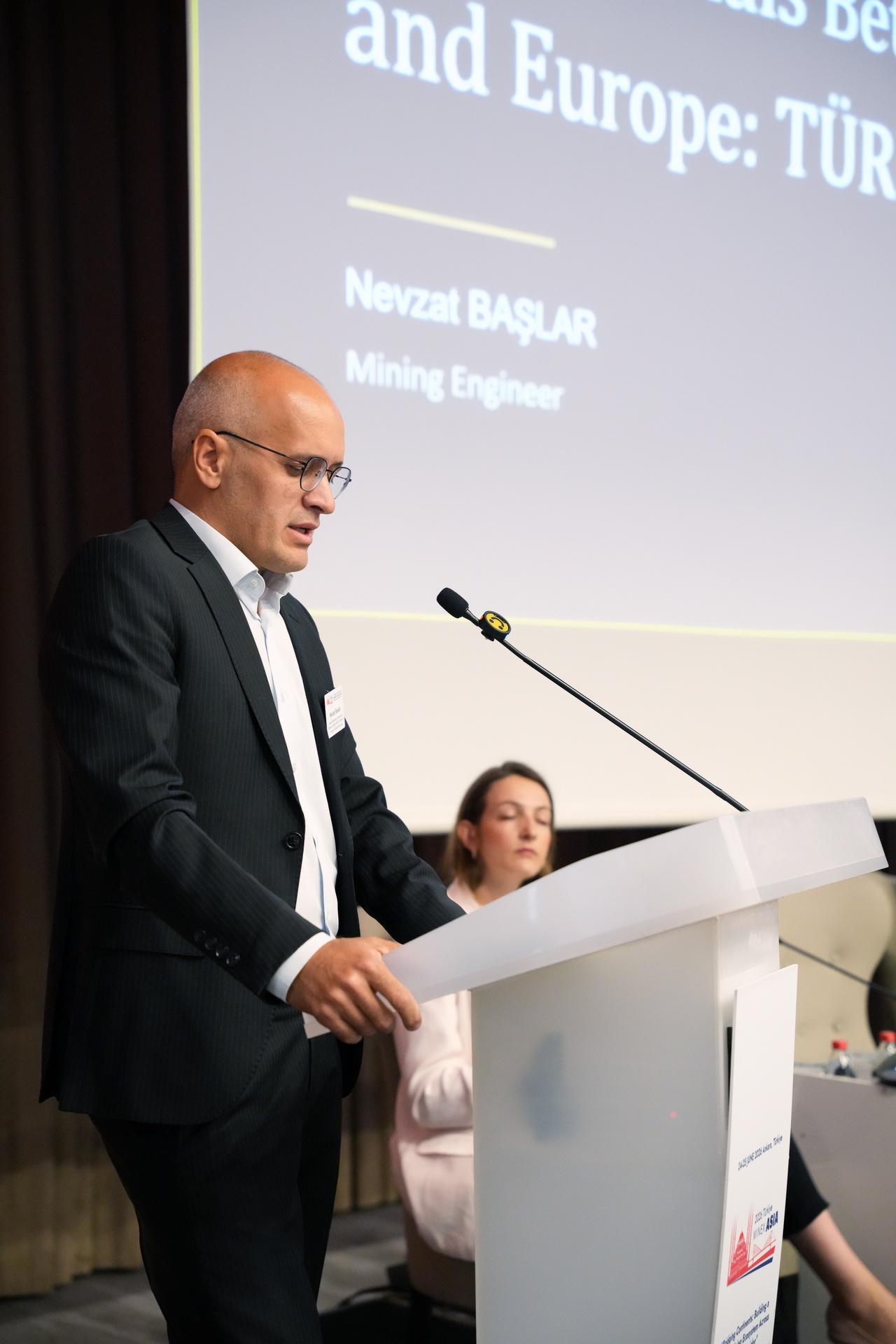
If Day 1 asked why geological wealth does not automatically translate into investment, Day 2 answered with clarity: because critical minerals cannot reach global markets without the infrastructure to process them. Nevzat Başlar of MAPEG opened with a deliberate reframing — not Türkiye’s mineral wealth, but “Bridging Between Reserves and Refining.”

Türkiye positions itself as an industrial anchor converting Central Asian ore into finished products for Western supply chains.

Day 2 · 25 June 2026

Trade Finance, Uzbekistan’s Pivot, and the Assurance Layer

From ore to market

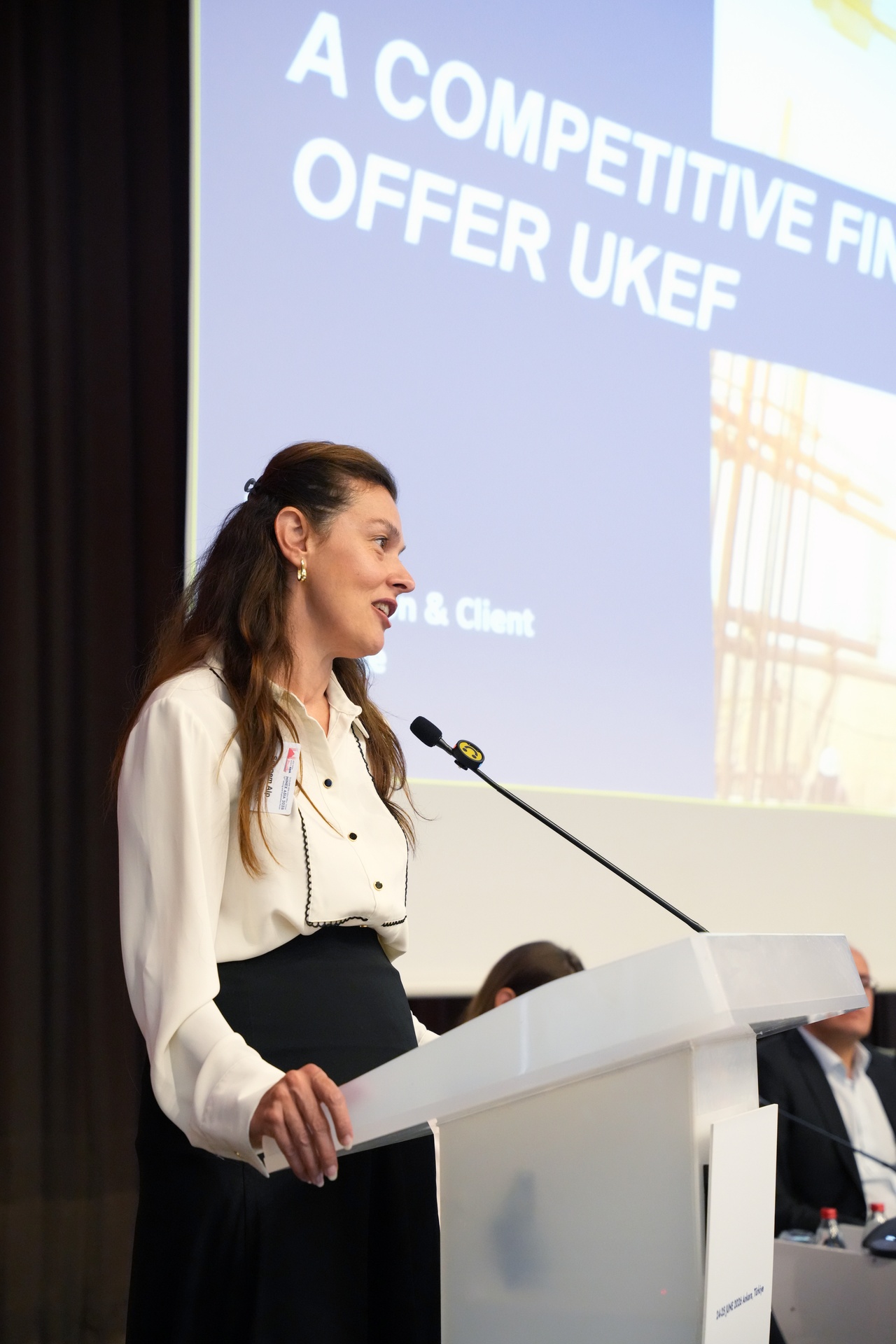
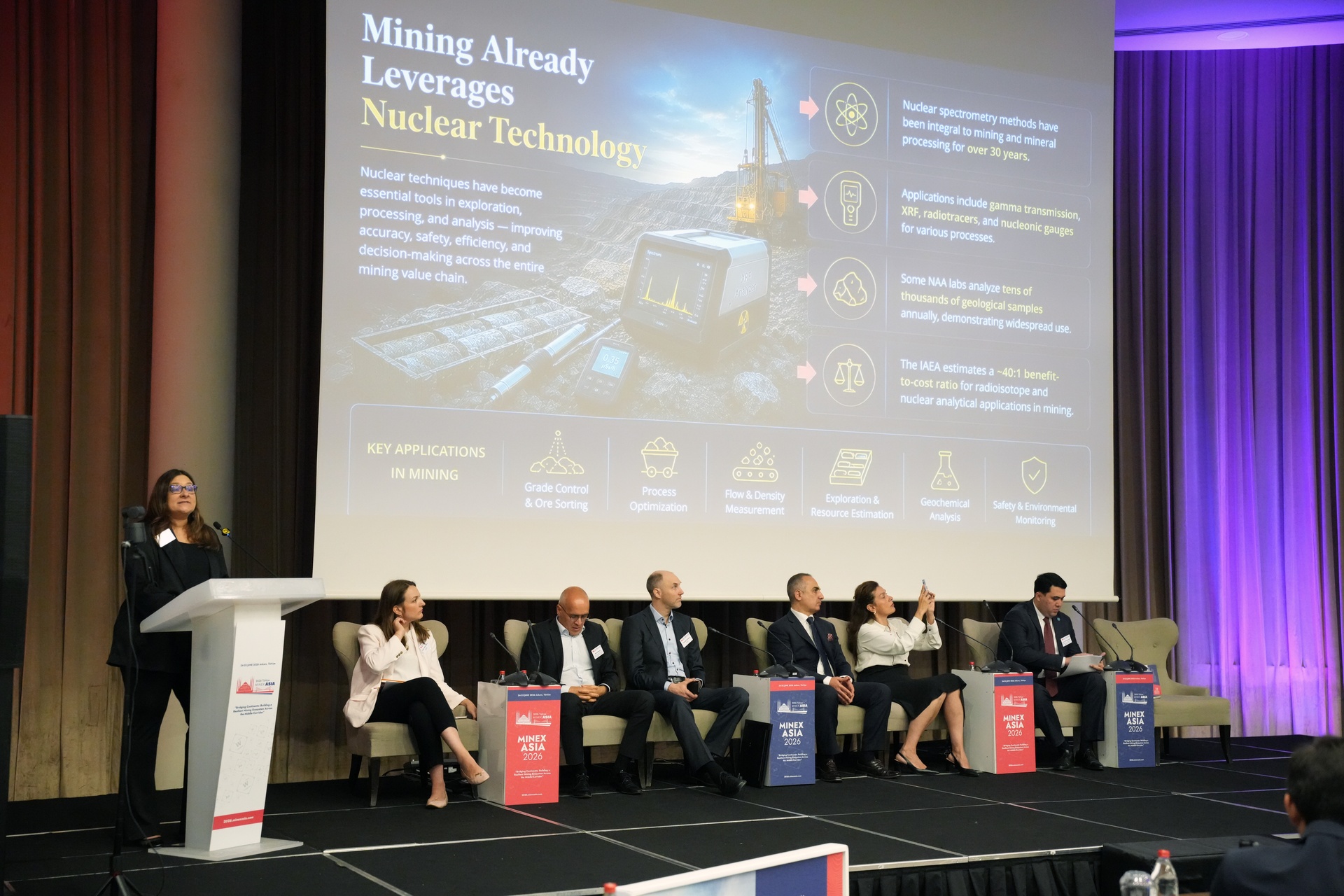
Şebnem Alp of UKEF presented trade finance as the instrument that actually moves tonnes of processed material — shorter tenors, repeatable commodity flows and off-balance-sheet structures. Timur Khikmatullaev of Uzbekistan’s Technological Metals Complex signalled that Tashkent now views Western offtake and technology partnerships as genuinely competitive with Chinese state finance. Dr Tomas Hrstka of SGS positioned advanced mineralogy and certification as a competitive accelerator rather than compliance overhead, while Artyom Geghamyan of the International Chamber of Mines of Armenia argued that Armenia’s post-conflict position and location along the Middle Corridor create a genuine window to become a processing node rather than a source of raw exports. Veda Duman Kantarcıoğlu of the Nuclear Engineers Society closed the morning by making explicit what was implicit in Beylikova: REE processing is a quasi-nuclear operation, requiring workforce training and regulatory partnerships aligned with IAEA standards.

06

Responsible mining ESG as Competitive Advantage, Not Compliance Burden

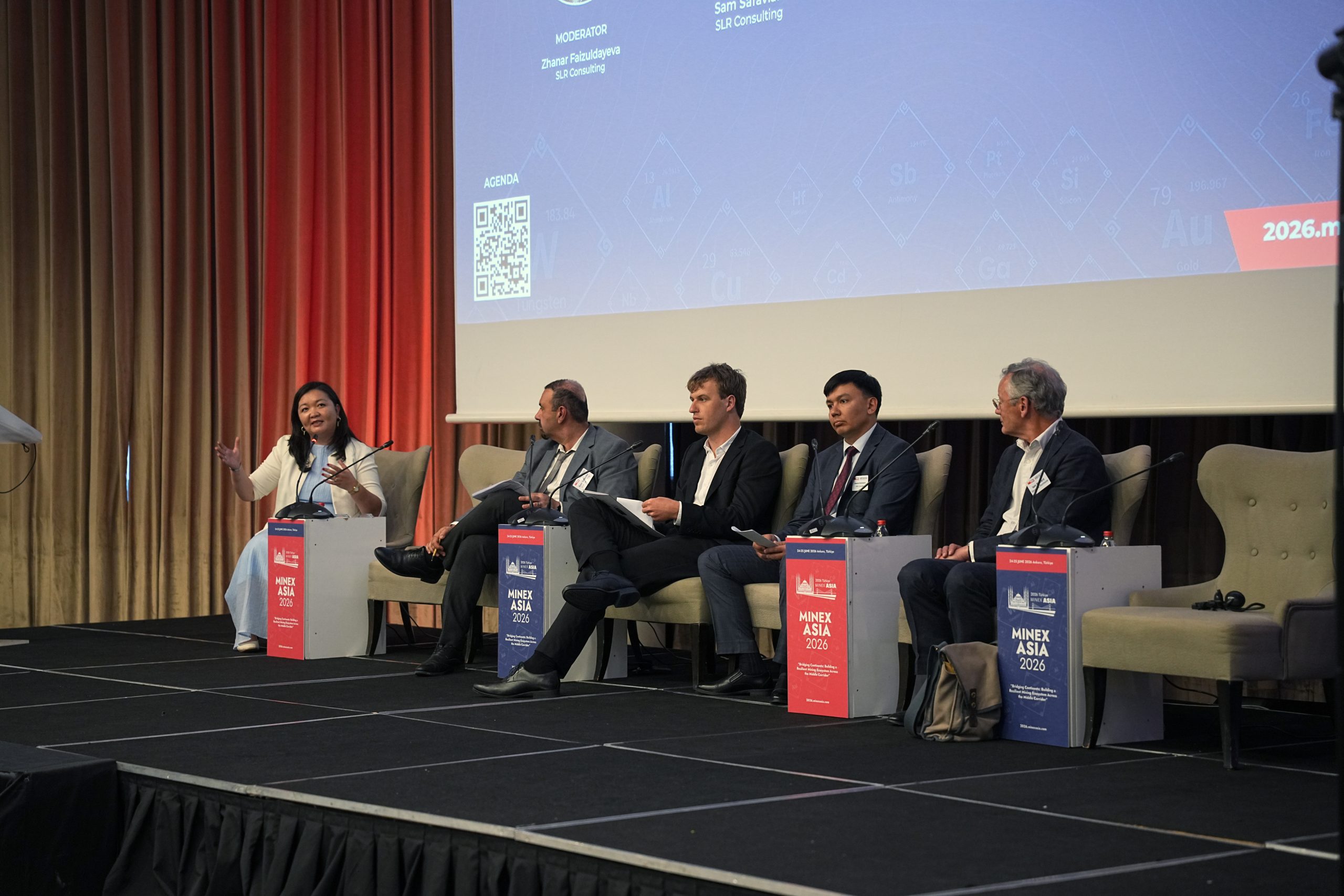
Session 6, moderated by Zhanar Faizuldayeva of SLR Consulting, reframed responsible mining as a competitive filter: projects with robust environmental and social governance attract Western capital faster and move through permitting more quickly. Tunç Berkman of TBS Investment captured the session’s argument in one line. Bilge Küçükaytan of TUMAD Mining Inc. followed with a practical walkthrough of the TUMAD sustainability standards now being adopted across Turkish operations.

07

Operational assurance Tailings, Water, and the Cost of Certification

Session 7 brought together the specialists who confront what stops more mining projects than geology ever has: Sam Safavian of SLR on risk-based safety reviews, Alistair White of Knight Piesold on resilience-based design, Iain Pickard of Strategia Worldwide presenting Tailings Protect — an integrated real-time monitoring and risk-management solution — and Azamat Abdulayev of SRK Kazakhstan closing with water management as competitive advantage in a region facing acute water stress. Modern tailings management is now central design, not bolt-on infrastructure.

10–15% Additional capex required for modern tailings management
08

Midstream capacity Processing Momentum and the Closing Tension

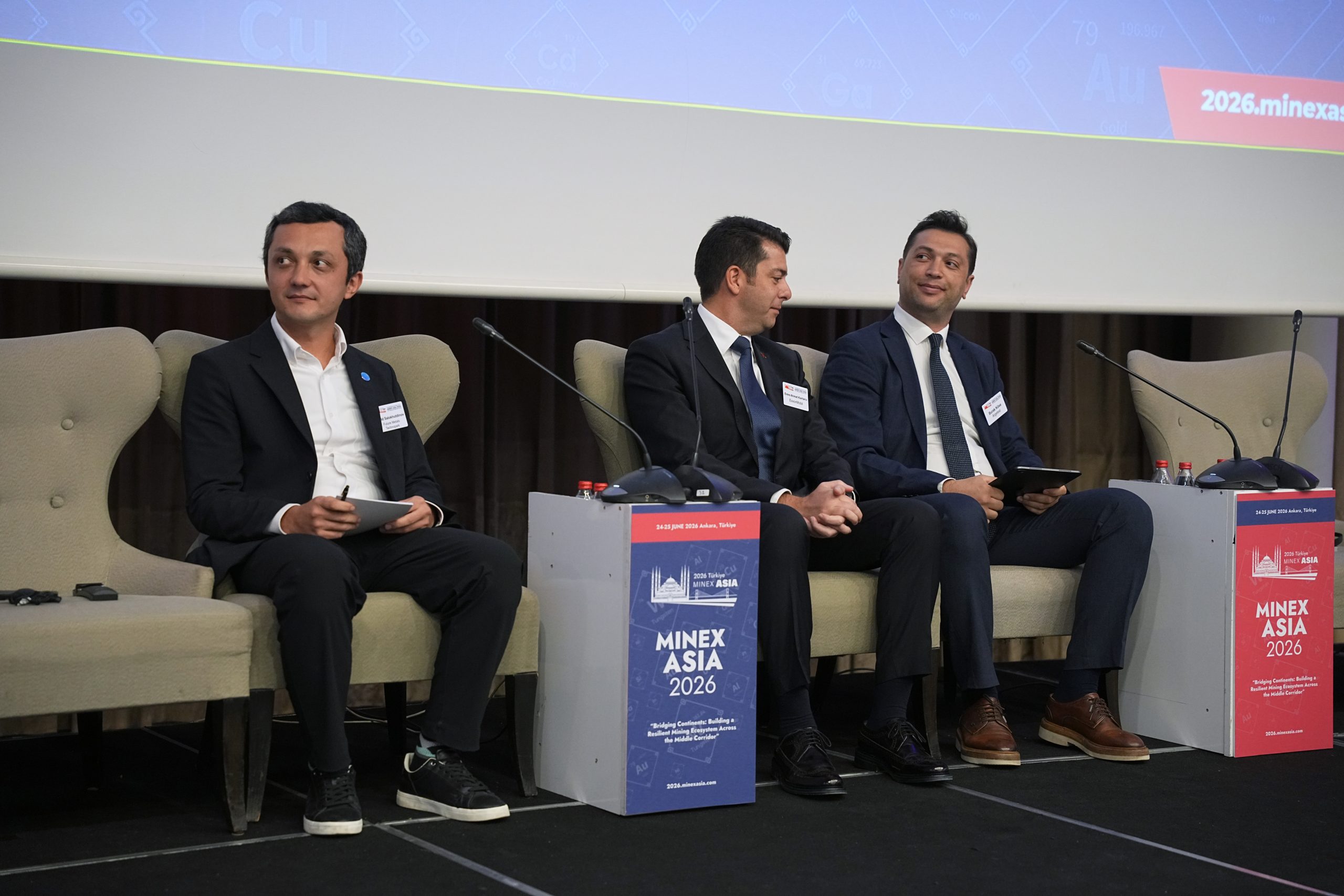
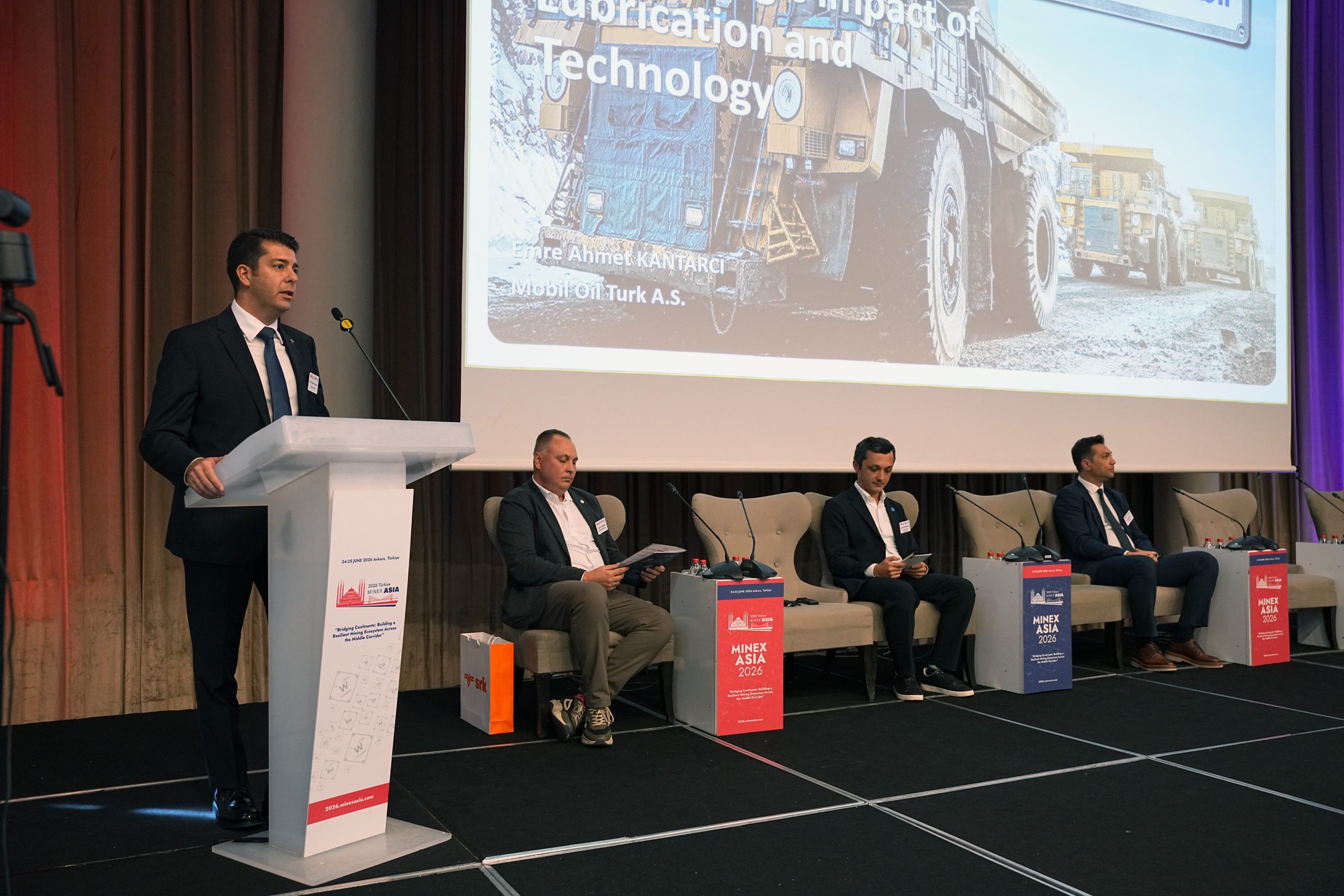
Session 8, moderated by Ivan Livinskiy of SRK Kazakhstan, moved to the point where most Central Asian minerals still stop: processing. Umid Salokhutdinov of Future Metals Technopark presented the technopark model as Uzbekistan’s answer to converting mined tungsten into higher-value alloys rather than competing on raw-material price. Emre Ahmet Kantarci of ExxonMobil brought the multinational perspective: the majors are securing feedstock for advanced materials manufacturing, not purchasing tonnes of raw ore at commodity prices. Burak Köse of ARGETEST closed with the data infrastructure argument — none of this works without laboratory certification at every step.

Mining’s greatest resource is no longer underground — it is public trust.
Tunç Berkman · TBS Investment

The unresolved tension

The region has the choice. It does not yet have the speed.

Western permitting and financing 3–5 years
Chinese capital deployment 18–24 months

The closing panel — Céleste Laporte Talamon of the OECD, Zhanar Faizuldayeva of SLR and Ivan Livinskiy of SRK Kazakhstan, under Han İlhan’s moderation — did not paper over the central unresolved tension.

Day 2

Key Takeaways

01

Processing, not extraction, is where value creation happens — and the Middle Corridor does not yet have enough midstream capacity to absorb regional mineral output at scale.

02

Trade finance instruments, not mega-project lending, are the mechanism that will move tonnes of processed material along the corridor.

03

ESG and tailings standards are structural and non-negotiable for access to Western markets — not a compliance layer to be minimised.

04

The sovereign-scale decision that processing capacity is the strategic priority — not extraction speed alone — is the one still pending.

Day 2 · 25 June 2026

Speakers & Panellists Featured

19 Featured voices
01

Céleste Laporte Talamon

Policy Analyst, Central Asia, OECD

Moderator · Session 5
02

Nevzat Başlar

Mining Engineer – Underground Mining Specialist, MAPEG, Ministry of Energy and Natural Resources

03

Şebnem Alp

Country Head Türkiye, Eastern Europe and Central Asia, UK Export Finance

04

Timur Khikmatullaev

Special Envoy for Global Integration, Uzbekistan Technological Metals Complex

05

Dr Tomas Hrstka

Sr. Manager, Business & Technology Development – NAM & Global, SGS

06

Artyom Geghamyan

Executive Chairman, International Chamber of Mines of Armenia

07

Veda Duman Kantarcıoğlu

Nuclear Engineers Society

08

Zhanar Faizuldayeva

Principal Environmental & Social Specialist, SLR Consulting

Moderator · Sessions 6 & 7
09

Tunç Berkman

Branding & Growth Partner, TBS Investment & Management

10

Bilge Küçükaytan

Integrated Management Systems & Sustainability Manager, TUMAD Mining Inc.

11

Sam (Meysam) Safavian

Technical Director – Geotechnics, Dams and Tailings, SLR Consulting

12

Alistair White

Civil Engineer, Knight Piésold

13

Iain Pickard

Managing Partner, Strategia Worldwide

14

Azamat Abdulayev

Consultant (Sustainability), SRK Consulting KZ

15

Ivan Livinskiy

Principal Geotechnical Consultant, SRK Consulting Kazakhstan

Moderator · Session 8
16

Umid Salokhutdinov

Deputy Director, TMK’s Future Metals Technopark

17

Ahmet Kantarcı

Distributor Business Consultant, Mobil EAME (ExxonMobil)

18

Burak Köse

Deputy General Manager, Project, Mineral Processing and R&D, ARGETEST

19

Han Ilhan

Co-Founder and Managing Director, Catalis Strategies

Moderator · Session 9

Participation

Who Was in the Room

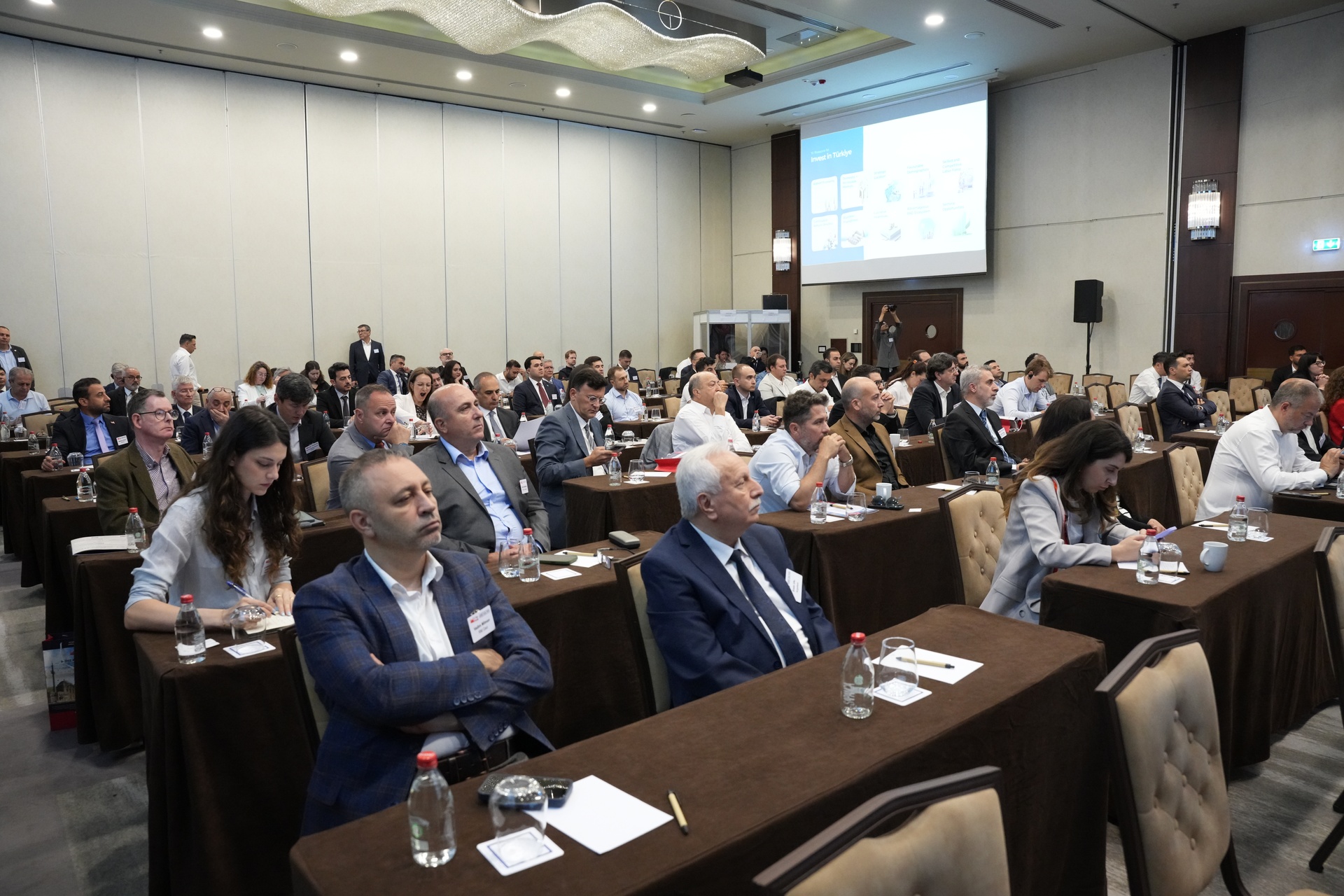
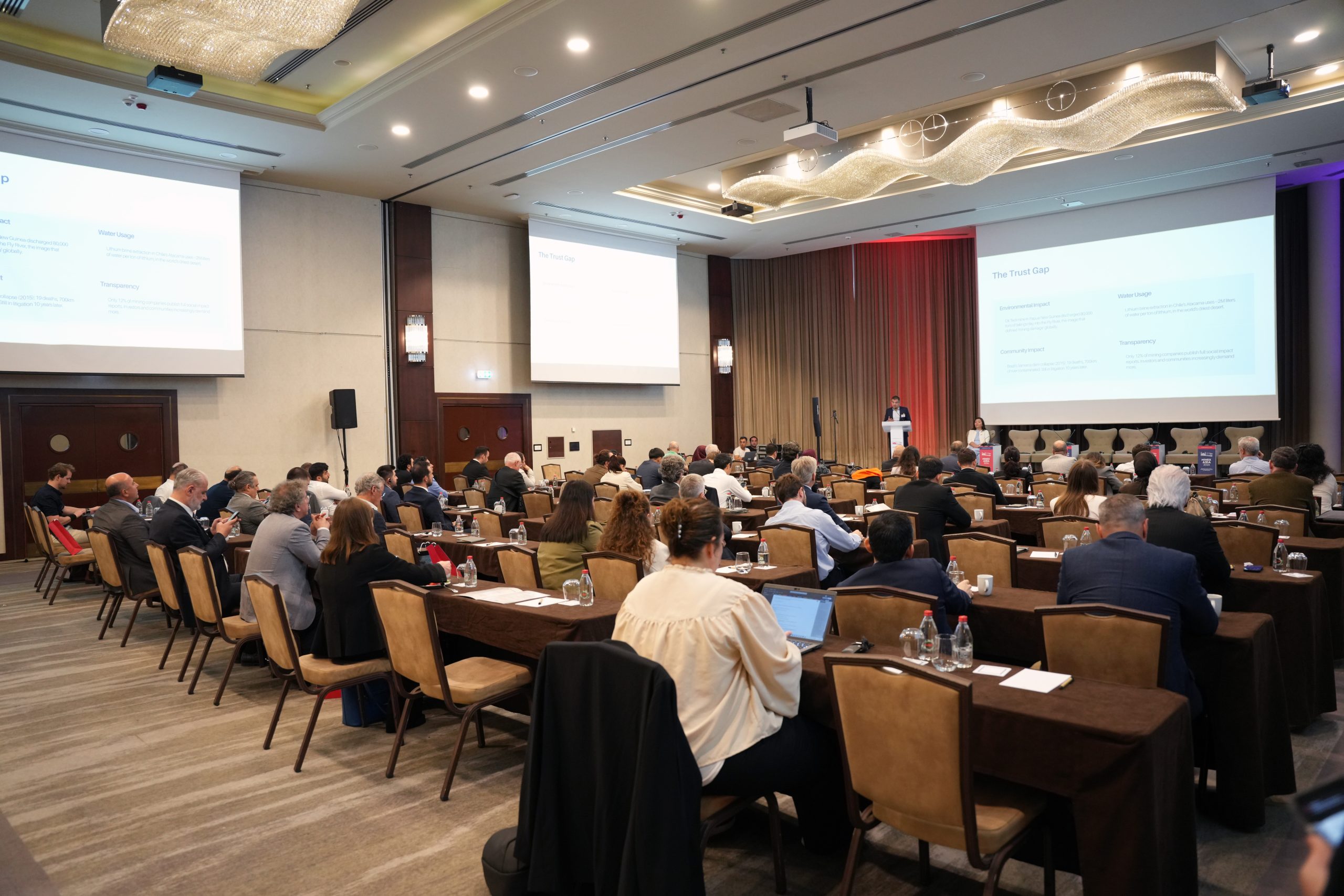
MINEX Asia 2026 convened a senior, cross-sector delegation spanning government, multilateral development finance, engineering and technical services, and mining and exploration companies from across the Middle Corridor and beyond.

140 Total delegates
16 Countries represented
34% C-Suite / Director-level

Delegates by Country

Türkiye hosted the largest domestic contingent as venue country, with the United Kingdom the largest international delegation, followed by Kazakhstan and Uzbekistan — reflecting the Forum’s core Middle Corridor and Tethyan Belt geography. Figures shown as a percentage of the 140 confirmed delegates.

Delegates by Industry Sector

Delegates by Industry Sector (% of Total)

27.1% Engineering & Technical Services
21.4% Mining & Exploration Companies
10.7% Media
10.0% Equipment & Industrial Suppliers
7.9% Government & Trade Missions
6.4% Government & Public Institutions
5.7% Development Finance Institutions
4.3% Other / Industrial Services
2.9% Academia & Research
2.1% Industry Association
0.7% Legal Services
0.7% Unclassified

Engineering, consulting and technical services firms — laboratories, geotechnical and environmental consultancies, and testing houses — formed the single largest professional group, followed closely by operating mining and exploration companies.

Delegates by Seniority

Delegates by Seniority (% of Total)

More than a third of delegates held C-suite, board, director or head-of-department roles, underscoring the Forum’s positioning as a decision-maker convening rather than a general-attendance conference.